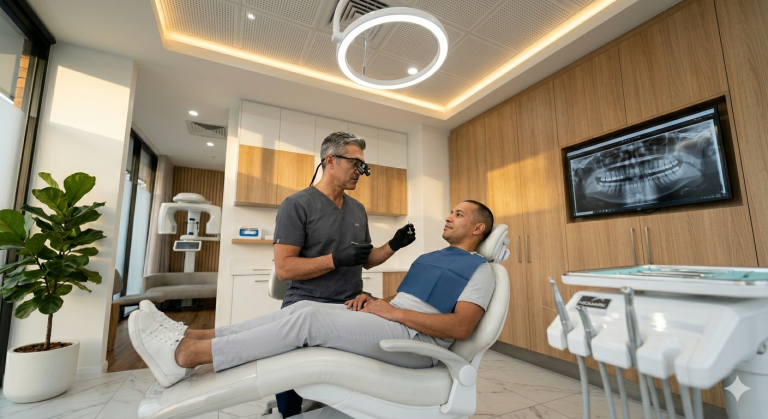

You’re exploring braces options in Brooklyn and want clear, practical guidance you can act on. Brooklyn offers a full range of modern orthodontic choices—metal, ceramic, lingual, and clear aligners—so most people can find a solution that balances appearance, comfort, and cost.
They’ll learn why choosing the right braces matters for long-term oral health and confidence, how treatments differ for kids, teens, and adults, and what to expect from consultations to follow-up care. The article walks through cost factors, insurance considerations, and tips for finding a trusted local orthodontist so they can take the next step with confidence.
Selecting the proper braces affects tooth health, overall treatment length, and how a patient feels about their smile during and after treatment. Costs, lifestyle, and desired visibility shape which option will work best for an individual’s goals.
The right braces address bite alignment, tooth wear, and gum health, not just straightness. For example, correcting an overbite reduces enamel chipping on lower incisors and prevents jaw joint strain. Orthodontists evaluate occlusion, tooth root positions, and periodontal status before recommending fixed metal, ceramic, or clear aligners.
Maintenance differs by type. Fixed braces require diligent brushing around brackets and regular interproximal cleaning to prevent decalcification and gingivitis. Clear aligners allow easier brushing but demand discipline: wearing trays 20–22 hours daily and cleaning them prevents plaque buildup and bad breath.
Some systems allow precise root movement to improve long-term stability. Patients with active gum disease or significant bone loss may need periodontal treatment first, then a gentler orthodontic approach. Choosing an appliance that suits periodontal health and movement goals minimizes relapse and preserves tooth-supporting structures.
Treatment length varies widely: simple crowding can resolve in 6–12 months, while complex bite corrections often take 18–36 months. Fixed braces (metal or ceramic) typically produce predictable tooth movement and can shorten time for complex corrections compared with clear aligners in some cases.
Compliance impacts schedule. Clear aligners rely on patient adherence; missing wear time often extends total treatment by months. Conversely, fixed braces move teeth continuously, reducing dependence on patient action but requiring more in-office adjustments.
Orthodontists estimate time based on crowding, bite relationship, and whether extractions or surgical intervention are necessary. Accelerated options, like micro-osteoperforation or vibration devices, may shave weeks in select cases but add cost and require clinical assessment for appropriateness.
Braces choice affects daily life and self-image. Metal brackets are the most visible but now come in smaller, more aesthetic profiles; ceramic braces blend with tooth color, offering lower visibility. Clear aligners remain the least noticeable and allow patients to remove them for photos or events, which many find boosts confidence.
Patients should weigh visibility against trade-offs. Ceramic brackets can stain if not cared for, and aligners demand strict wear time to keep results on schedule. Some adults prefer lingual braces hidden behind teeth; they are invisible but may affect speech initially.
Emotional comfort matters during treatment. Clear communication about timeline, dietary restrictions, and appearance helps set realistic expectations. A customized plan that balances esthetics, lifestyle, and clinical needs reduces anxiety and improves satisfaction with the final smile.
If they have questions about which option suits their lifestyle or clinical needs, patients are encouraged to contact their local orthodontic specialist to schedule an evaluation.
Patients choose between strong, cost-effective metal, low-visibility ceramic, and removable clear aligners depending on budget, cosmetic priorities, and treatment complexity. Each option balances comfort, appearance, treatment time, and maintenance differently.
Metal braces remain the most widely used option in Brooklyn practices because they deliver predictable results for complex bite and alignment issues. Modern brackets are smaller, lower-profile, and bonded with gentler adhesives that reduce enamel stress during removal. Nickel-free and hypoallergenic stainless steel options exist for patients with sensitivities.
Clinics often pair metal brackets with heat-activated nickel-titanium archwires that move teeth with lighter, continuous force, shortening adjustment discomfort and sometimes reducing overall treatment time. Patients can select colored elastics for personalization, and some practices offer self-ligating systems that lower friction and can reduce office visit length.
Maintenance focuses on oral hygiene: floss threaders and interdental brushes help clean around brackets. Typical costs in Brooklyn vary by case complexity, and many clinics provide monthly payment plans and insurance coordination.
Ceramic braces use tooth-colored or clear brackets to blend with enamel, offering a more discreet fixed-appliance option for adults and image-conscious teens. Newer ceramic materials resist staining and maintain color stability when patients avoid heavily pigmented foods and use recommended cleaning methods.
Ceramic brackets often pair with tooth-colored wires or clear-coated metal wires to improve aesthetics. They tend to be slightly larger and more brittle than metal, so providers may recommend lighter forces and careful wear to prevent bracket fracture. For patients with significant bite correction needs, clinicians sometimes combine ceramic upper brackets with metal lower brackets for durability.
Cost is typically higher than metal braces but lower than some custom aligner systems. Providers emphasize precise bonding and routine check-ups to monitor wear and reduce the risk of chipping or adhesive failure.
Clear aligners are custom, removable trays that gradually shift teeth using a planned sequence of aligner sets. They suit mild-to-moderate crowding, spacing, and some bite issues; complex tooth movements may still require auxiliaries or fixed appliances.
Brooklyn practices scan patients with digital intraoral scanners, then design treatment plans using 3D software so patients can preview projected outcomes. Aligners improve oral hygiene because trays are removed for eating and brushing; however, patients must wear them 20–22 hours per day for effective results. Compliance directly affects treatment length.
Not all aligner brands and in-office systems are identical. Some clinics offer in-house aligners with closer clinician control and local lab support, while others partner with national brands. Cost and treatment timeline vary accordingly, and many practices include periodic check-ins and refinements to ensure the plan stays on track.
Treatment choice depends on growth stage, dental development, lifestyle, and aesthetic preferences. Cost, estimated treatment time, and follow-up frequency also shape the recommendation.
Orthodontists in Brooklyn typically evaluate children around age 7 to spot jaw growth issues early. For mixed dentition, interceptive appliances like palatal expanders or space maintainers correct crowding and guide erupting teeth, often reducing later complexity.
Most teens benefit from fixed braces or clear aligners depending on case severity and compliance. Metal braces remain the fastest option for complex tooth movements; ceramic braces offer a less noticeable alternative. Invisalign Teen includes eruption compensation features and compliance indicators, which help parents and clinicians monitor wear time.
Appointments are usually every 6–8 weeks for adjustments or new aligners. Orthodontists emphasize oral hygiene instruction, fluoride use, and diet counseling to protect enamel and prevent decalcification during treatment.
Adults choose treatment for function and aesthetics, balancing discretion and efficiency. Clear aligners dominate for mild-to-moderate crowding and relapse cases, delivering predictable tooth movement with removable convenience. They work best when patients commit to 20–22 hours of daily wear and attend regular progress checks.
For more complex movements or bite correction, lingual braces or contemporary ceramic/metal braces provide control. Orthodontists often coordinate with restorative or periodontal specialists when implants, crowns, or gum recession affect planning. Retention is critical: fixed or removable retainers prevent relapse, especially after long-standing shifts.
Financial options and treatment timelines vary; many Brooklyn practices offer free consultations, phased treatment plans, and payment plans to help adults start without delay.
Patients can expect a clear timeline, regular appointments for adjustments, and practical tips for daily care that keep treatment comfortable and effective.
The first visit typically begins with digital X-rays and intraoral scans to map tooth position and jaw relationships. The orthodontist reviews bite function, facial profile, and any prior dental work before recommending options like metal braces, ceramic braces, or clear aligners based on clinical findings and aesthetic preferences.
Treatment planning includes estimated duration, cost breakdown, and whether extractions or temporary anchorage devices (TADs) might be necessary. Patients receive a written plan with key milestones, photographs, and a list of do’s and don’ts for the first 48 hours after appliance placement. Staff also explains insurance steps, financing options, and scheduling for the first adjustment visit.
Appointments usually occur every 4–8 weeks for fixed braces and 6–10 weeks for aligner oversight, depending on movement needed. During these visits the orthodontist tightens wires, replaces elastics, trims brackets if needed, and evaluates tooth movement against the treatment plan.
Clinicians measure progress with photos and occasional radiographs to confirm root positions and bone response. If movement stalls, they may use power chains, coil springs, or temporary attachments to accelerate corrections. The office will also address discomfort, emergency repairs for broken brackets, and provide updated timelines when milestones are reached.
Eating changes: avoid hard, sticky, or chewy foods such as popcorn, nuts, caramel, and bagels to prevent wire bends or bracket breakage. Cut produce into bite-sized pieces and choose softer proteins like fish, eggs, and tender chicken during the first week after placement or adjustments.
Oral hygiene requires a routine: brush after every meal with a soft-bristle brush, use interdental brushes to clean between brackets, and floss daily with a floss threader or water flosser. Manage soreness with over-the-counter pain relievers, orthodontic wax for rubbing brackets, and cold compresses for swollen areas. Always carry an emergency kit with spare elastics, a travel toothbrush, and orthodontic wax for quick fixes.
Patients should expect clearer speech for aligner wearers to resolve within a few days and temporary sensitivity to hot or cold. Regular retainer use after active treatment maintains results; the orthodontist provides specific retainer wear schedules and follow-up imaging to ensure long-term stability.
Contact the orthodontic team with questions about discomfort, broken appliances, or scheduling to keep treatment on track and comfortable.
Braces costs vary by treatment type, complexity, and clinic. Insurance and flexible payment plans often reduce out-of-pocket expense, while clear aligners and ceramic options typically cost more than traditional metal braces.
Typical local price ranges in Brooklyn: traditional metal braces $3,000–$6,000, ceramic braces $4,000–$7,500, and Invisalign or other clear aligners $3,500–$8,000. Complexity of the case — mild alignment vs. full bite correction — shifts cost by several thousand dollars because of treatment length and additional appliances.
Orthodontist experience and technology affect price. Providers who offer 3D scanning, intraoral cameras, and accelerated orthodontics may charge higher fees but can shorten treatment time. Lab fees, retainers ($200–$800), and potential extra visits for refinements add to the final bill.
Ask for a detailed written estimate that lists appliance type, number of visits, expected treatment months, and any additional procedures (extractions, appliances). That clarity helps compare clinics and anticipate total cost rather than just the initial fee.
Most dental insurance covers orthodontics partially; typical plans pay 25%–50% up to a lifetime maximum between $1,000 and $3,000. Coverage often has an age limit and a waiting period (6–12 months), so verify eligibility before starting treatment.
Patients should confirm whether the plan classifies clear aligners differently from traditional braces; some policies exclude newer systems or require preauthorization. Orthodontic coverage usually applies only after policy waiting periods and may not cover refinements or retainers.
Ask the office to submit preauthorization and an itemized estimate. If insurance denies a claim, request the denial reason in writing and consider appealing with supporting photos and the orthodontist’s treatment notes.
Many Brooklyn orthodontic practices offer in-house financing, third-party plans (CareCredit, Proceed Finance), and sliding-scale options. Typical in-house plans split the total into monthly payments with little or no interest when a sizable down payment is provided.
CareCredit and similar lenders allow 6–24 month interest-free promotions for qualified applicants. Patients should compare interest rates and total repayment amounts; long-term plans with low monthly payments can increase total cost due to interest.
Negotiate or request bundle pricing for family members or combine treatment with preventive care visits to save. Always get payment terms in writing, including refund policies if treatment ends early or transfers to another provider.
Patients should prioritize an orthodontist who blends technical skill with clear communication, modern technology, and a comfortable office environment. Practical details like location, insurance participation, and available payment plans can save time and reduce stress.
Look for board certification and years of focused orthodontic experience, not just a general dentist offering braces. Board-certified orthodontists complete additional residency training; verify credentials on the American Board of Orthodontics website or the practice’s bio.
Check the office’s technology: digital X-rays, 3D scans (CBCT or intraoral scanners), and computerized treatment planning improve accuracy and treatment speed. Ask whether they offer a full range of options — metal, ceramic, lingual braces, and clear aligners — and how they determine the best choice for specific bite issues.
Assess patient comfort and practice culture. Read recent Google and Yelp reviews for comments about wait times, staff friendliness, and how they handle pain-management and emergencies. Visit the office if possible to evaluate cleanliness, child- or adult-focused amenities, and whether staff explain costs and timelines clearly.
Ask directly: “Are you board-certified and how many years have you treated cases like mine?” This clarifies experience with specific issues such as impacted teeth, severe crowding, or adults seeking invisible options.
Request details about technology and planning: “Will you use 3D imaging or virtual treatment simulations?” Knowing the tools helps patients compare accuracy and predictability between providers. Also ask about the proposed appliance: “Why is this brace or aligner best for my bite, and what trade-offs should I expect?”
Confirm logistics and costs: “What is the estimated treatment length, total cost, included visits, and payment options?” Check insurance and in-network status, and ask about emergency protocols: “How are unscheduled problems handled after hours?” These practical questions prevent surprises during treatment.
Patients often feel unsure about when to start orthodontic treatment, and providers encourage scheduling an evaluation to discuss goals and options. A short consultation clarifies whether traditional braces, clear aligners, or ceramic brackets suit their needs and lifestyle.
Clinics in Brooklyn typically offer flexible financing and insurance help. This makes treatment more accessible and reduces upfront stress for families and adults considering care.
During the visit, the orthodontist reviews X-rays, photos, and bite analysis to create a personalized plan. They explain expected timeline, follow-up visits, and any lifestyle adjustments—like eating habits or oral hygiene—so patients know what to expect.
Many practices provide digital simulations so patients can see potential outcomes before committing. That visual preview helps people choose the option that aligns with their appearance and comfort preferences.
Practical next steps:
They should feel encouraged to ask about pain management, emergency care, and how appliances affect daily life. A friendly office team can address concerns and arrange a time that fits busy schedules.
Make an appointment or request a virtual consult to get personalized recommendations and a clear plan for healthier teeth and a more confident smile.
This section answers practical concerns about types of braces, appearance and comfort trade-offs, cost and financing in Brooklyn, how to select an orthodontist, treatment duration, and daily care tips to keep teeth healthy during treatment.
Traditional metal braces use brackets and wires and work well for complex movements and severe misalignment. They’re often the most cost-effective option and can shorten treatment time for difficult cases.
Ceramic braces look like tooth-colored versions of metal braces and blend in better; they suit adults and teens who want lower visibility but still need fixed appliances. They are slightly more fragile and can cost more.
Lingual braces attach behind the teeth, keeping appliances invisible from the front; they fit people prioritizing appearance but can be harder to clean and may affect speech initially. Not all orthodontists offer them.
Invisalign and other clear aligners consist of a series of removable plastic trays; they suit mild to moderate crowding, people who want to eat without restrictions, and those seeking a nearly invisible option. Compliance matters: aligners work only if worn 20–22 hours per day.
An orthodontist assesses bite, X-rays, case complexity, oral hygiene habits, budget, and aesthetic priorities to recommend the best option for each patient.
Clear aligners are generally more comfortable because they lack brackets and wires that can rub soft tissues. They also look nearly invisible and allow normal eating with trays removed.
Traditional braces can move teeth more precisely in certain complex cases and don’t rely on patient compliance for wear time. They may cause more initial discomfort and require dietary adjustments.
Treatment speed varies: for simple tooth alignment, aligners can be as fast as braces; for major bite corrections, braces often deliver more predictable results. An orthodontist will compare 3D treatment plans to show likely outcomes.
Metal braces in Brooklyn typically range from $3,000 to $7,000 depending on complexity and provider. Ceramic braces usually cost $4,000 to $8,000, and lingual braces run higher, often $8,000 to $12,000.
Invisalign often falls between $3,500 and $8,000, varying by case length and whether attachments or refinements are needed. Many practices offer in-office financing with monthly payments, often interest-free for a set term.
Dental insurance commonly covers part of orthodontic treatment, sometimes up to a lifetime maximum (e.g., $1,000–$3,000); coverage depends on the plan and patient age. Orthodontic practices in Brooklyn frequently accept major insurers and will help verify benefits before treatment.
Look for board-certified orthodontists, clear before-and-after photos of similar cases, and patient reviews specific to Brooklyn practices. Check that the office uses modern imaging and presents a detailed treatment plan.
Ask about the orthodontist’s experience with the appliance you’re considering, expected treatment length, total cost with fees for retainers or refinements, and follow-up schedule. Request to see sample before-and-after cases for patients with a similar bite or age.
Confirm who handles emergencies, how communication works between visits, and what instructions they give for oral hygiene and diet. A consult should feel informative, not rushed, and provide clear next steps.
Average treatment time ranges from 12 to 30 months depending on initial severity and chosen appliance. Simple alignment with clear aligners or minor braces adjustments can finish in under a year.
Factors that lengthen treatment include severe crowding, impacted teeth, poor compliance with removable appliances, missed appointments, and inadequate oral hygiene that leads to delays. Patient age affects response: adolescents often move faster than older adults due to active growth.
Using recommended elastics, attending scheduled visits, and following home-care instructions can shorten treatment and improve predictability.
Expect soreness and soft-tissue irritation for the first week; over-the-counter pain relievers, orthodontic wax over brackets, and saltwater rinses help relieve discomfort. Eating soft foods and cutting items into small pieces reduces pressure on newly moving teeth.
Brush after every meal with a soft-bristle brush and use interdental brushes or floss threaders to clean around brackets and wires. For clear aligner users, remove trays to eat, rinse before reinserting, and brush both teeth and aligners regularly.
Schedule professional cleanings every 3–6 months and follow any fluoride or topical recommendations from the orthodontist to prevent demineralization. If a wire breaks or a bracket loosens, contact the office promptly to avoid treatment delays.