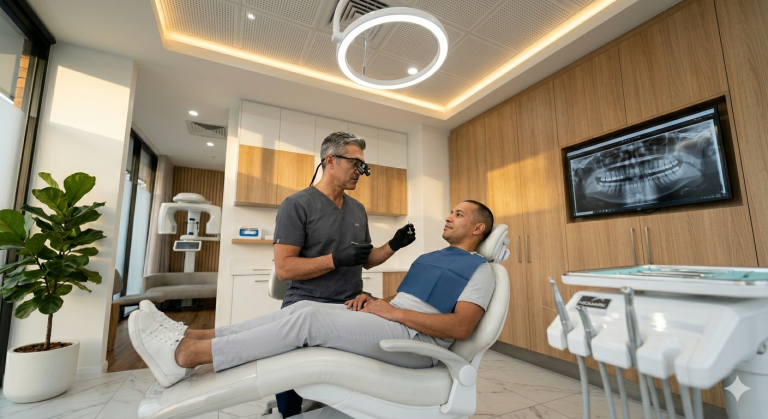

Many people in Brooklyn want a straighter smile but worry about the cost of Invisalign. Affordable Invisalign options are available in Brooklyn, making this modern teeth-straightening method accessible without sacrificing quality or comfort. These options often include flexible payment plans and treatments tailored to fit individual budgets.
Invisalign uses clear, removable aligners that are comfortable and discreet. This makes it a popular choice for adults and teens who want effective treatment without the look and feel of traditional braces. Local dental offices understand the importance of affordable care combined with expert guidance.
Finding a trusted Brooklyn dentist who offers transparent pricing and personalized consultations can make the process simple and stress-free. Exploring affordable Invisalign can be the first step toward a confident smile that fits both your lifestyle and your wallet.
Invisalign offers a clear path to straighter teeth without traditional braces. Patients learn how it works, who benefits most, and what the treatment journey involves before starting.
Invisalign uses a series of custom-made, clear plastic aligners to shift teeth gradually. Each set fits snugly and applies gentle pressure in specific areas, moving teeth over time.
The aligners are nearly invisible and removable, allowing for easier eating and oral hygiene compared to metal braces. Typically, patients wear each aligner for about one to two weeks.
Your dentist plans the entire movement process digitally. This means every step, from start to finish, is mapped out precisely before treatment begins.
Ideal candidates are those with mild to moderate teeth misalignment, including crooked teeth, gaps, or minor bite issues. Invisalign suits both teens and adults looking for discreet treatment.
Severe orthodontic problems might require traditional braces or other interventions. A dentist evaluates dental health, jaw alignment, and patient habits to confirm suitability.
Patients committed to wearing their aligners 20-22 hours daily get the best results. Consistent use ensures steady progress without prolonging treatment.
Treatment begins with a digital scan or impressions of the teeth to create personalized aligners. After receiving the first set, patients wear them almost all day, only removing them for meals and cleaning.
Regular check-ups every 6-8 weeks help monitor progress and provide the next sets of aligners. The total treatment time usually ranges from 6 to 18 months, depending on the case.
Comfort is a priority; some mild pressure or soreness may occur but typically subsides quickly. The removable design makes oral care simple, encouraging healthier teeth throughout the process.
Understanding how Invisalign costs are determined helps patients plan their treatment. Several factors influence the final price, from the complexity of the case to what services are bundled into the fee. Payment options and insurance coverage also play significant roles in affordability.
In Brooklyn, Invisalign treatment usually costs between $3,000 and $7,000. The exact price depends on the severity of dental misalignment and the length of treatment needed. Minor adjustments, like closing small gaps, often fall on the lower end, while more complex cases requiring longer correction approach the higher side.
Experienced orthodontists and dental specialists might charge more due to their advanced skills and local market rates. Some practices offer free consultations that provide a personalized cost estimate based on individual needs.
Most Invisalign quotes cover the full treatment cycle, including the clear aligners, dental scans, routine check-ups, and adjustments. Some offices also include retainers after treatment within the initial price, while others may charge separately.
Additional costs may arise if patients need extra aligner sets due to lost or damaged trays, or if treatment extends beyond the planned timeline. X-rays and follow-up visits after completion are sometimes charged upfront but vary by clinic.
Many Brooklyn dental offices offer payment plans, spreading the cost over several months to make Invisalign more manageable. Monthly payments can range from $100 to $300 depending on the total cost and length of treatment.
Dental insurance coverage for Invisalign varies. Some plans cover clear aligners similarly to traditional braces, while others offer partial reimbursement or exclude orthodontics altogether. Patients should check with their insurer for specifics and ask their dental provider about flexible financing or third-party lending options.
When choosing between Invisalign and traditional braces, key factors include the daily lifestyle impact and how treatment suits different age groups. Comfort, appearance, and ease of use also play a big role in deciding which method fits best.
Invisalign offers a discreet way to straighten teeth, which appeals to many adults and teens alike. Its removable design means patients can eat without restrictions and brush teeth normally, reducing the risk of plaque buildup and staining.
Traditional braces are fixed and often preferred for complex dental issues. For teens, they can be less likely to lose aligners since they’re attached all the time. However, braces require more careful cleaning and may cause mild discomfort after adjustments.
For adults, Invisalign’s subtle look makes it easier to maintain a professional appearance. Teens may find braces more cost-effective, but Invisalign has become more accessible with flexible payment plans in places like Brooklyn.
Invisalign aligners are made from smooth plastic, so they rarely irritate cheeks or gums. They can sometimes cause mild pressure when switched out, but many find this discomfort less intense than the metal brackets and wires of traditional braces.
Braces can lead to sores or irritation inside the mouth, especially early on or after tightening visits. Visually, braces are noticeable with metal or ceramic options, whereas Invisalign is nearly invisible, providing a more confident smile throughout treatment.
Both options involve regular dental visits, but Invisalign requires discipline in wearing the aligners 20-22 hours daily for best results. Braces work continuously without removal but can be harder to keep clean.
Finding the right dental provider for Invisalign means paying close attention to their qualifications and the technology they use. These factors directly affect treatment quality and patient comfort. Knowing what to look for can make the process smoother and more effective.
It’s important to choose a dentist or orthodontist who is certified to offer Invisalign. Look for providers who have completed Invisalign-specific training and hold valid dental licenses in New York.
Experience matters, especially with invisible aligners. Providers who have treated many cases understand how to customize the process to fit your unique dental structure. They can anticipate challenges and adjust your plan accordingly, improving results.
Reading patient reviews and checking before-and-after photos can reveal the provider’s track record. A dentist who communicates clearly about treatment steps and timelines is a sign of professionalism and care.
Modern Invisalign providers use digital scanners instead of traditional molds. These scanners enhance precision, making your aligners fit better and feel more comfortable from day one.
Keep an eye out for practices equipped with 3D imaging technology. This helps dentists plan your treatment with exact tooth movements, reducing surprises and shortening the timeline.
Clean, well-maintained clinics show a commitment to patient safety and comfort. Friendly staff and organized appointment scheduling also make a visit less stressful. Quality technology paired with a caring environment sets the stage for positive Invisalign outcomes.
Understanding the full cost of Invisalign and the payment options available can help patients make informed decisions that fit their budget. Clear communication from providers about fees and financing ensures there are no surprises along the way.
Patients should ask upfront about the total price of Invisalign treatment, including consultation, aligners, adjustments, and retainers. Inquire if the quoted cost covers all appointments or if additional fees might apply later.
It’s important to clarify whether the price varies based on treatment complexity or estimated duration. Some clinics offer a fixed price, while others charge per aligner or visit. Asking about insurance coverage and whether providers submit claims directly can also help understand out-of-pocket expenses.
Many Brooklyn Invisalign providers offer flexible payment plans to spread out the cost over time. These can include low or zero-interest monthly installments, often tailored to the patient’s financial situation.
CareCredit and similar healthcare credit cards are popular options, allowing easy monthly payments without upfront costs. Some offices partner with third-party lenders offering pre-approved loans. Patients should compare terms carefully to avoid high interest rates or fees.
Discussing financing options openly with the provider ensures choosing a plan that balances affordability and convenience.
Starting Invisalign involves a few clear steps that help patients understand their treatment options and prepare for success. From scheduling the first visit to what happens during the initial appointment, each moment sets the foundation for a smoother experience.
The first step is scheduling a consultation with a qualified Invisalign provider in Brooklyn. This appointment lets the dentist evaluate the patient’s smile, discuss goals, and determine if Invisalign is the right choice.
During the visit, the provider will conduct a thorough oral exam, possibly including digital scans or X-rays. These tools create a precise 3D model of the teeth to plan the aligners. Patients should bring any dental records and be ready to ask questions about timelines, costs, and daily care. Booking early is recommended, as some offices have busy schedules, especially those offering affordable treatment.
Before the first official Invisalign appointment, patients should maintain good oral hygiene. Brushing and flossing carefully prevents issues that could delay aligner fitting.
It’s also helpful to note any current dental concerns, like sensitivity or gum irritation, and share them with the dentist. Wearing comfortable clothing and arriving a few minutes early can reduce stress on appointment day.
At this visit, aligners are fitted or impressions are taken to create custom trays. The provider will explain how to wear and care for the aligners, including removal for eating and cleaning. Clear instructions help patients feel confident moving forward.
Maintaining Invisalign aligners requires consistent cleaning and proper care to avoid discoloration and odors. Adapting daily routines ensures both the aligners and natural teeth stay healthy throughout treatment.
Patients should rinse aligners with lukewarm water every time they remove them to wash away saliva and plaque. Using a soft-bristled toothbrush with clear, unscented antibacterial soap can help clean the trays gently without scratching them.
Avoid hot water, which can warp the plastic. Special Invisalign cleaning crystals or effervescent cleaning tablets are recommended weekly to keep aligners fresh and clear.
Brushing and flossing teeth after every meal before reinserting aligners prevents trapped food particles, reducing tooth decay risk. Store aligners in their case when not in use to avoid damage or loss.
Wearing Invisalign usually feels snug at first but becomes comfortable after a few days. Patients should commit to wearing aligners 20-22 hours daily for effective treatment.
Speaking may change slightly initially, but practicing reading aloud helps adjust quickly. Removing aligners during meals avoids staining and protects the trays from damage.
Carrying a cleaning kit and case makes it easy to manage aligners on the go. Regular dental checkups allow professionals to monitor progress and address any concerns about comfort or fit.
Patients considering Invisalign in Brooklyn can expect a clear picture of how long treatment will take and how staying committed affects the final smile. The process moves step-by-step, with specific milestones shaped by individual needs and habits.
Treatment typically ranges from 6 to 18 months, depending on the complexity of the case. Simple adjustments may wrap up in under a year, while more significant corrections require a longer timeline.
During this period, patients switch to a new set of aligners every 1 to 2 weeks. These gradual changes gently guide teeth into their new positions.
Regular check-ins usually happen every 6 to 8 weeks to monitor progress and make any necessary adjustments. Clear communication between patient and provider helps keep everything on track.
Consistency is key. Wearing aligners 20 to 22 hours daily ensures effective movement. Removing them only for meals and oral hygiene maximizes results without extending treatment time.
Skipping hours or losing aligners can slow progress and may require extra visits or adjustments. Patients are encouraged to set reminders and keep aligners in their cases to avoid misplacing them.
Good oral hygiene is also essential. Cleaning aligners and teeth prevents stains and discomfort, supporting a smooth experience from start to finish. If any issues arise, contacting the dental team promptly helps maintain momentum.
Many Brooklyn residents are turning to Invisalign because it fits their busy lifestyles and offers a discreet way to improve their smiles. Factors like convenience, comfort, and community support make it a preferred option.
Several Brooklyn residents have shared positive experiences with Invisalign. One young professional noted how the transparent aligners didn’t interfere with her public-speaking job, allowing her to straighten her teeth without the embarrassment of traditional braces. Another patient appreciated the shorter clinic visits compared to other orthodontic treatments.
Invisalign’s custom-fit trays also appeal to those who prioritize comfort. Brooklyn users often mention how they can remove the aligners for meals and events, avoiding the dietary restrictions usually tied to braces. These success stories highlight how Invisalign adapts to individual needs while delivering clear results.
Brooklyn offers several support options to make Invisalign accessible. Local dental clinics frequently provide flexible payment plans and offer free initial consultations to help residents understand the treatment process. Some neighborhoods have group workshops or informational sessions where residents share tips on managing Invisalign care daily.
Additionally, Brooklyn’s dental professionals often work closely with patients through follow-up visits, ensuring each Invisalign step goes smoothly. This community-centered approach reassures patients, making the path to a healthier smile less intimidating and more achievable.
Choosing Invisalign in Brooklyn is a simple decision for those seeking a comfortable, discreet way to improve their smile. Patients appreciate that Invisalign aligners are nearly invisible and can be removed when eating or brushing, making daily life easier.
The process begins with a consultation to assess dental needs. During this visit, the dental expert creates a personalized treatment plan using digital scans rather than messy molds. This modern approach saves time and provides a clear preview of the expected results.
Invisalign treatment not only straightens teeth but can also enhance oral health by making it easier to clean between teeth and gums. Regular check-ins ensure the treatment progresses smoothly and adjustments happen when needed.
Here’s what patients can expect:
Taking the first step means scheduling a friendly, no-pressure consultation to ask questions and explore options. It’s an easy way to learn if Invisalign fits one’s lifestyle and goals. Encouraging patients to reach out helps them feel confident and informed before beginning their smile journey.
Invisalign costs can vary based on case complexity, provider experience, and payment options. Insurance coverage, provider reputation, and specific treatment needs also influence the final price and patient experience.
Clear aligners for adults usually range from $3,000 to $5,500. More severe alignment issues or additional dental work increase costs.
Providers with advanced technology or extensive experience might charge more, but this can mean better results and quicker treatment. Location and demand in Brooklyn can also affect pricing.
Monthly plans often run between $100 and $200, spreading payments over 12 to 36 months. Some dentists offer no-interest options.
To manage costs, patients can consider flexible spending accounts (FSAs) or health savings accounts (HSAs). Comparing multiple providers and asking about discounts helps, too.
Many dental plans cover part of Invisalign, but coverage varies widely. Patients should ask about orthodontic benefits and annual maximums.
Check if the insurer requires in-network providers, and whether pre-authorization or referrals are needed. Knowing this upfront avoids surprise bills.
A $3,000 quote is possible for mild to moderate cases, often including initial consultation, scans, aligners, and follow-ups.
Extra fees may apply for refinements, attachments, or retainers after treatment. Clear communication with the provider about what’s included prevents confusion.
“Diamond” provider status means the dentist has treated a high volume of Invisalign cases successfully. This often reflects experience and expertise.
Look for providers with good reviews, transparent pricing, and a welcoming office environment. An honest provider will explain treatment details clearly.
Clear aligners can improve bite alignment, which may reduce some jaw discomfort. However, TMJ issues often need specialized care beyond orthodontics.
If jaw pain is severe or accompanied by clicking, locking, or headaches, patients should consult a TMJ specialist first before starting Invisalign.