
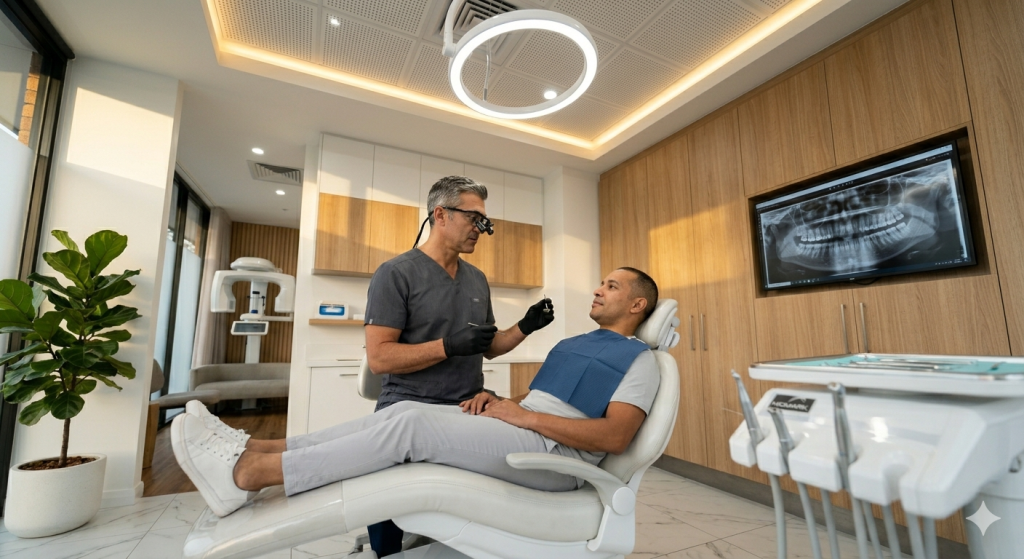
If you face a sudden toothache, broken tooth, or bleeding that won’t stop, you need immediate, capable care in Brooklyn that minimizes pain and protects your smile. Brooklyn dental clinics offer urgent appointments, same-day stabilization, and clear next steps so you get pain relief and a treatment plan fast.
They explain what counts as a true emergency, walk you through what to expect during an urgent visit, and give simple home-care steps to manage symptoms before you arrive. You’ll also learn how local dentists reduce anxiety, prevent future problems, and help you choose the right practice for quick, expert care.
This section explains specific signs, common urgent conditions, and clear guidance on when to get immediate care. It focuses on symptoms, examples of injuries and infections, and practical steps to take before arriving at a Brooklyn emergency dental clinic.
Sudden, severe tooth pain that wakes someone from sleep or prevents normal activity often signals infection, nerve damage, or an abscess. Pain localized to one tooth that increases with chewing or takes on a throbbing quality requires prompt evaluation.
Visible swelling of the face, jaw, or gums — especially when accompanied by fever or difficulty breathing — indicates spreading infection and needs urgent attention. Continuous bleeding after a dental procedure or traumatic injury that does not stop after 10–15 minutes of pressure also qualifies as an emergency.
Loosened or missing teeth from trauma, a broken crown exposing the pulp, and sudden sensitivity to hot or cold combined with discoloration are warning signs. Anyone experiencing numbness, difficulty swallowing, or severe jaw locking should seek immediate care.
Dental abscesses present as localized, painful swelling and often produce pus, fever, and bad taste. Left untreated, they can spread to soft tissues; drainage and antibiotics plus definitive dental treatment like root canal or extraction are commonly required.
Traumatic dental injuries include knocked-out (avulsed) teeth, fractured roots, and crown or tooth fractures. For avulsed permanent teeth, quick action matters: keep the tooth moist (milk or saliva) and reach a dentist within an hour for the best chance of re-implantation.
Uncontrolled bleeding after extraction or oral surgery, severe cellulitis, and rapidly expanding swelling around the neck or under the jaw are life-threatening situations. Severe pain from exposed pulp, fractured restorations causing soft-tissue lacerations, and orthodontic hardware injuries also require prompt care.
Go to an emergency dental clinic right away for intense, unrelenting pain that over-the-counter medications don’t control, especially when swelling, fever, or difficulty breathing are present. For knocked-out permanent teeth, immediate dental re-implantation within 60 minutes offers the highest success rate.
Seek immediate care if bleeding won’t stop after sustained pressure, or if a jaw is visibly misaligned or unable to open and close properly. Also seek urgent evaluation for signs of spreading infection: red streaks on the skin, rising fever, or worsening swelling that impairs swallowing or breathing.
For less acute but concerning symptoms — growing pain, a loose crown, or persistent sensitivity after trauma — schedule same-day dental consultation to prevent progression. Contact the Brooklyn dental office or an emergency line when in doubt; prompt assessment reduces complications and improves outcomes.
Patients can expect a focused, step-by-step approach that quickly identifies the problem, controls pain, and begins treatment or schedules follow-up care. Staff prioritize comfort, imaging when needed, and clear explanations of options and costs.
The visit starts with a brief intake: medical history, current medications, and a description of the problem (onset, severity, triggers). The dental team asks about allergies and recent procedures to avoid complications.
Clinicians perform a focused exam of the teeth, gums, bite, and soft tissues. They may take digital X-rays or an intraoral photo to pinpoint fractures, abscesses, or impacted teeth.
Reception and clinical staff offer immediate comfort measures: a cold pack for swelling, sterile gauze for bleeding, or a soft bite guard for a broken tooth. They explain findings in plain language and outline next steps before any procedure begins.
Pain control often starts in the operatory with local anesthesia targeted to the affected tooth or area. Dentists use short-acting numbing for quick procedures and longer-acting agents when extended relief is needed.
For swelling and infection, clinicians prescribe antibiotics when indicated and explain expected timelines for improvement. Over-the-counter analgesics like ibuprofen or acetaminophen are recommended with specific dosing and timing.
When anxiety increases pain perception, staff offer nitrous oxide or oral sedatives if the clinic provides them and if medical history allows. The team explains risks, benefits, and recovery expectations so patients feel informed.
Treatment depends on diagnosis: a fractured tooth may be bonded or splinted; a severe cavity might receive a temporary or permanent filling; and a pulpal infection often leads to root canal therapy or extraction. Dentists prioritize conservative options when possible.
For dental abscesses, drainage plus antibiotics and definitive care (root canal or extraction) are scheduled promptly. If immediate repair isn’t possible, a temporary dressing or crown is placed to protect the tooth and reduce pain.
Staff review aftercare instructions, prescribe pain control or antibiotics as needed, and schedule follow-up for definitive restoration. They also discuss preventive steps—night guards, bite adjustments, or improved oral hygiene—to reduce recurrence and protect long-term oral health.
Brooklyn clinics prioritize quick access, effective pain control, and clear next steps to address toothaches, broken teeth, and facial swelling. They combine same-day scheduling, extended hours, and coordinated referrals to resolve urgent problems and prevent complications.
Many Brooklyn practices reserve slots each day for true emergencies like severe tooth pain, knocked-out teeth, or facial swelling that threatens breathing. Patients calling in the morning often get same-day slots; those calling after midday may be offered cancellations or extended-staffing coverage.
Front-desk staff triage symptoms by phone using a brief checklist — pain intensity, trauma history, bleeding, and systemic signs such as fever — to determine urgency and direct patients to the right clinician.
Clinics prepare for emergency visits with expedited registration, immediate vitals, and rapid imaging (digital X-rays or CBCT when needed). Treatment focuses on pain control and stabilization: drainage and antibiotics for abscesses, temporary restorations or splints for fractures, and reimplantation protocols for avulsed teeth within the optimal time window.
Several Brooklyn offices offer night and weekend coverage through rotating on-call schedules to reduce delays in care. Practices contract with on-call dentists who handle urgent calls, triage remotely, and arrange next-day in-office treatment when definitive care isn’t possible overnight.
Walk-in urgent care dental clinics in Brooklyn often publish evening hours and Saturday availability; they staff dentists, dental assistants, and on-site X-ray technicians to address common emergencies.
For severe cases outside clinic hours, staff provide clear at-home instructions for pain control, bleeding management, and preservation of avulsed teeth (store in milk or saliva, avoid touching the root), plus directions to the nearest ER if airway or uncontrolled bleeding is present.
Brooklyn clinics maintain referral networks with endodontists, oral surgeons, and periodontists to expedite specialty care when needed. If a tooth requires root canal therapy, the clinic often performs initial stabilization and sends imaging and clinical notes directly to the endodontist to speed the appointment.
For facial trauma or complex extractions, clinics coordinate with hospital-based oral surgery teams and may arrange same-day transfers or prioritized surgical slots. Insurance coordinators and treatment planners help patients understand coverage, estimated costs, and financing options before specialist visits.
This coordinated approach reduces delays, avoids duplicate exams, and helps patients move from emergency relief to definitive care with clear timelines and single-point communication.
Keep immediate steps simple: control bleeding, reduce pain, and protect damaged teeth until professional care. Follow clear, evidence-based actions to minimize risks and make the dental visit smoother.
They should rinse gently with warm salt water (1/2 teaspoon salt in 8 ounces of water) every few hours to reduce inflammation and clean the area. Over-the-counter pain relievers like ibuprofen (200–400 mg every 4–6 hours as directed) work best for dental pain; acetaminophen is an alternative if NSAIDs are contraindicated.
Apply a cold compress to the outside of the cheek for 10–15 minutes on, 10 minutes off, to limit swelling and numb pain. Avoid placing aspirin or other medications directly on the gum or tooth — that can cause tissue burns. Keep the head elevated while resting to reduce throbbing and blood flow to the area.
They must not use sharp objects to probe the injury; this can worsen damage or introduce infection. Avoid hard, crunchy, or sticky foods that can dislodge temporary clots, break a fractured tooth further, or cause pain when chewing.
Do not smoke or use tobacco products — nicotine delays healing and increases infection risk. Avoid alcohol for 24 hours if taking prescription pain medication or antibiotics. Steer clear of heat (hot drinks or heat packs) on the injured side, because heat increases swelling.
If a tooth is fractured, save any fragments in milk or saliva and bring them to the appointment; fragments may be bonded or used for reconstruction. For a knocked-out permanent tooth, handle only the crown (not the root), rinse briefly with water if dirty, and attempt to reinsert it into the socket if the person is alert and cooperative.
If reinsertion is not possible, place the tooth in cold milk or saline, or tuck it into the patient’s cheek to keep it moist during transport. Seek treatment within 30–60 minutes for the best chance of saving a knocked-out tooth. For temporary protection of sharp edges, cover them with dental wax or sugarless gum to prevent lip or cheek cuts until the dentist can treat the injury.
Consistent daily habits, protective equipment during activities, and routine dental visits greatly reduce the chance of sudden pain or tooth damage. Small investments in time and gear prevent most emergency visits and keep restorative treatments minimal.
They should brush twice daily with a soft-bristled brush and fluoride toothpaste for two minutes each time. Brushing removes plaque that causes decay and gum disease, the two leading causes of tooth pain that lead to emergencies.
Flossing once a day reaches areas a brush misses; use about 18 inches of floss and curve it around each tooth in a C-shape. For patients with braces, bridges, or tight contacts, interdental brushes or a water flosser work better than regular floss.
Use an ADA‑approved fluoride mouthrinse if a dentist recommends extra cavity protection. Avoid chewing ice, hard candy, and fingernails, and limit sticky or acidic snacks that accelerate enamel wear and fractures.
Mouthguards reduce the risk of tooth fractures, avulsions (knocked-out teeth), and soft-tissue injuries during contact sports or activities with falls. Over-the-counter boil-and-bite guards offer basic protection, but custom-fit mouthguards from a dental office provide the best fit and comfort.
For high-risk athletes, a custom mouthguard can be fabricated from an impression and trimmed for thickness and breathing comfort. They should replace a guard that becomes worn, stretched, or cracked.
Helmets, face shields, and safety goggles protect teeth indirectly by preventing facial trauma. For people who grind teeth at night, a dentist can prescribe a nightguard to prevent wear and reduce the chance of cracked teeth and emergency sensitivity.
They should schedule cleanings and exams every six months, or more frequently if prescribed for high-risk patients. Professional cleanings remove hardened tartar, and routine X-rays catch decay and infections before they become painful emergencies.
During exams, dentists screen for cracked teeth, failing restorations, and early signs of gum disease. Early treatment options like fillings, root canals, or occlusal adjustments avoid the need for urgent extractions or emergency root treatments.
If a dental appliance is loose or a crown feels high after placement, patients should contact their dentist promptly rather than wait for pain. Quick adjustments prevent fractures and reduce the chance of sudden emergency visits.
When a dental emergency happens, the right dentist makes a big difference. They should offer same-day or next-day appointments and clear instructions for what to do before arrival.
Look for dentists who list emergency services on their website and provide after-hours contact. Credentials matter: check licenses, advanced training in urgent care, and patient reviews for reliability and bedside manner.
Prioritize practices that combine speed with comfort. Gentle pain control, sedation options, and a calm, well-equipped office reduce anxiety and improve outcomes.
Use this quick checklist when choosing:
They should also accept common insurance plans and offer transparent pricing for emergency visits. Knowing payment options ahead of time prevents added stress during urgent care.
If unsure, call the office and describe the problem; a supportive staff member should give immediate guidance and schedule the quickest appointment. Encourage the reader to save the office number and directions so help is ready when needed.
Many patients feel nervous about emergency dental visits, and the Brooklyn team recognizes that fear is common and valid. They create a calm environment from the first phone call to the moment treatment begins.
The staff uses simple techniques to reduce anxiety, such as clear explanations, step-by-step guidance, and steady reassurance. Knowing what to expect often eases tension quickly.
They offer practical comfort measures like warm blankets, noise-cancelling headphones, and comfortable seating. Small touches make a big difference during urgent care.
For patients who need extra help, the clinic provides sedation options tailored to the situation. Options range from nitrous oxide for mild anxiety to oral or IV sedation for more significant needs, all administered under careful monitoring.
A short pre-treatment consultation helps identify triggers and personal preferences. This lets the team adapt communication style, pacing, and comfort measures to each person.
Below is a quick checklist patients can use before arrival:
The staff encourages questions and values honest feedback throughout care. They invite patients to call or message with concerns so the team can plan a comfortable, effective emergency visit.
After an emergency visit, the dental team reviews the diagnosis and outlines treatment options clearly. They prioritize pain control, infection prevention, and restoring function while explaining each step in plain language.
Patients often need a follow-up appointment to complete treatment, such as a root canal, crown, or tooth replacement. Scheduling that visit within a week reduces complications and helps the dentist monitor healing.
Insurance, costs, and financing are discussed so patients can make informed choices. Clinics typically provide estimates and may offer payment plans or refer to resources for urgent financial concerns.
Home care instructions support recovery: gentle rinsing, prescribed medications taken as directed, and avoiding chewing on the affected side. If swelling, fever, or worsening pain occurs, contacting the office immediately prevents escalation.
Preventive measures lower future emergency risk—regular cleanings, night guards for grinding, and protective gear for sports. The dental team will tailor a prevention plan based on the patient’s history and lifestyle.
For questions or to arrange follow-up care, patients are encouraged to call the practice or use its online booking tool. The staff welcomes inquiries and will help schedule the next steps toward a healthy, comfortable smile.
This section answers common urgent dental situations in clear steps. It covers how to recognize emergencies, protect damaged teeth, manage pain safely at home, save a knocked-out tooth, know what to expect at an emergency visit, and typical costs and payment options.
A dental emergency includes uncontrolled bleeding, severe pain (10/10), visible infection with swelling that affects breathing or swallowing, and a tooth that is completely knocked out. These problems require immediate attention or a visit to an emergency department if dental care is unavailable.
Moderate pain, a lost filling without swelling, minor chips that don’t cause pain, and cosmetic concerns can usually wait for same-day or next-day scheduling. If pain increases, swelling develops, or a fever appears, the patient should seek care sooner.
Rinse the mouth gently with warm water to remove debris. Apply a cold compress to reduce swelling and take over-the-counter pain relief per package directions if there are no contraindications.
Save any large tooth fragments in milk or saline and bring them to the dentist. Use dental wax, sugar-free gum, or temporary dental cement to cover sharp edges that cut the tongue or cheek.
Rinse with warm salt water to reduce bacteria and soothe inflamed tissue. Use ibuprofen or acetaminophen for pain control, following dosing instructions and avoiding placing aspirin directly on the gums.
Avoid very hot, cold, or sugary foods that can worsen pain. If swelling or fever develops, contact the dental office immediately because infection may require antibiotics.
Pick up the tooth by the crown only; do not touch the root. Rinse gently with saline or milk if dirty, but do not scrub or dry the root.
Try to reinsert the tooth into the socket and hold it in place; if that’s not possible, store it in cold milk or Hank’s Balanced Salt Solution and get to a dentist within 30 to 60 minutes. Time and proper handling greatly increase the chance of successful reimplantation.
The dentist will assess the problem, take radiographs if needed, and provide immediate measures like drainage for abscesses, temporary or permanent restorations, splinting for fractured teeth, or reimplantation for knocked-out teeth. Local anesthesia often relieves acute pain during treatment.
If infection is present, the clinician may prescribe antibiotics and recommend follow-up treatment such as root canal therapy, extraction, or definitive crowns once the emergency is controlled.
Costs vary by treatment: a simple exam and palliative care often range from $75–$200, while extractions, root canals, or crown work can cost several hundred to over a thousand dollars. Brooklyn clinics may charge higher fees for after-hours or same-day emergency appointments.
Most dental insurance covers emergency exams and some treatments; Medicaid and local sliding-scale clinics may offer lower-cost care. Many practices accept credit cards, CareCredit, and offer payment plans—patients should call ahead to confirm options.